Flower stall permits in Putney markets: what you need
Posted on 11/10/2026
If you're thinking about selling flowers in Putney, the first thing to sort out is not the bouquet display or the crate stack. It's the permission. Flower stall permits in Putney markets: what you need is a mix of market approval, trading rules, paperwork, and sensible planning, and getting it right early saves a lot of awkward back-and-forth later. Truth be told, most stallholders don't lose time because their flowers are wrong; they lose time because a permit detail was missed.
This guide walks you through the practical side of setting up a flower stall in Putney markets, from the basics of permission and compliance to common mistakes, useful checks, and how to decide whether a market stall is the right route for your business. You'll also find a checklist, a comparison table, and a few realistic examples so you can picture what the process actually looks like on the ground.

Table of Contents
- Why Flower stall permits in Putney markets: what you need Matters
- How Flower stall permits in Putney markets: what you need Works
- Key Benefits and Practical Advantages
- Who This Is For and When It Makes Sense
- Step-by-Step Guidance
- Expert Tips for Better Results
- Common Mistakes to Avoid
- Tools, Resources and Recommendations
- Law, Compliance, Standards, or Best Practice
- Options, Methods, or Comparison Table
- Case Study or Real-World Example
- Practical Checklist
- Conclusion
- Frequently Asked Questions
Why Flower stall permits in Putney markets: what you need Matters
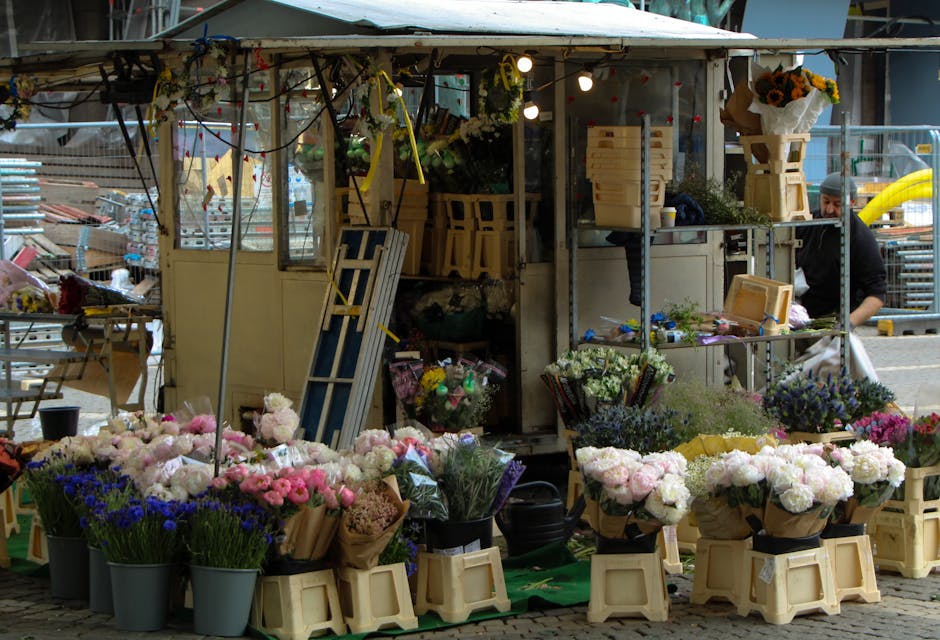
A flower stall can look simple from the outside. A table, buckets, ribbon, a few chalkboards, and the smell of fresh stems in the morning air. But in a busy London market, stall trading is usually controlled. You may need permission from the market operator, evidence that you can trade safely, and in some cases proof that you are properly set up as a business. That is why understanding flower stall permits in Putney markets matters before you load the van.
The practical reason is obvious: without the right permit or approval, you may be refused a pitch, asked to leave, or delayed while documents are checked. Less obvious, but just as important, is reputation. Market managers, customers, and nearby traders all notice whether you run a tidy, compliant operation. A well-prepared flower seller reads as reliable straight away.
There's also the business side. A permit is not just a piece of admin. It tells you where you can trade, what you can sell, when you can set up, and what standards you're expected to meet. If you are aiming for regular sales rather than the odd weekend pop-up, the permit process becomes part of your trading model, not a one-off formality.
Expert summary: Treat the permit as the foundation, not a hurdle. If the permission side is sorted, everything else-stock control, presentation, pricing, and customer service-becomes much easier to manage.
Putney has a strong local feel, with residents who tend to notice quality and consistency. That means a flower stall needs more than pretty stock. It needs clean setup, dependable trading arrangements, and clear approval to be there in the first place.
How Flower stall permits in Putney markets: what you need Works
In plain English, the process usually works like this: you identify the market you want to trade in, check whether stall spaces are available, confirm the type of permission required, submit the necessary details, and wait for approval. Sounds straightforward. It often is. But the exact sequence can vary from one market operator to another, and that's where people get caught out.
For flower sellers, permission can cover several practical points:
- Pitch allocation: where your stall sits and whether it is permanent, seasonal, or ad hoc.
- Trading days and hours: some markets are strict about arrival times, opening times, and pack-down windows.
- Product type: flowers, plants, gifts, and ancillary items may each be treated differently.
- Trader identity: you may need to provide trading name, contact details, proof of business status, and sometimes references or insurance.
- Site conditions: access to water, waste disposal, loading, and weather cover can all affect approval.
One thing people underestimate is the role of market rules. A permit is rarely just "pay and trade." The operator may expect compliance with stall layout, signage, waste handling, and safety practices. If you're selling cut flowers in the chill of an early London morning, for example, you may also need to think about how you keep stock fresh and presentable during the day.
If you already run a retail florist, the market environment is still different. Customers browse differently. They buy faster. Questions are shorter. Presentation needs to do the heavy lifting. That is why many sellers pair market trading with a strong local online presence, such as a Putney florist service, so they can keep orders flowing beyond stall hours.
What approval usually involves
Although every market is different, approval commonly involves some form of the following:
- Checking available market days and stall categories.
- Submitting trader details and intended products.
- Providing any requested business or insurance information.
- Agreeing to market terms, fees, and operating rules.
- Receiving confirmation of your pitch or temporary trading slot.
If you're doing this for the first time, don't rush the admin. A missing document can delay everything, and on a busy week that can mean missing a good trading day. Rather annoying, honestly.
Key Benefits and Practical Advantages
Getting the right permit and trading within the rules is not just about avoiding trouble. It has real operational benefits.
- Better trading stability: approved stalls can build repeat recognition, which helps customers remember you from week to week.
- Cleaner market relationships: when you follow the process properly, market managers are more likely to view you as dependable.
- Fewer interruptions: you're less likely to be challenged mid-trade or asked to stop selling.
- More confident planning: once you know your pitch and schedule, you can plan stock, staffing, and delivery around it.
- Stronger brand presentation: a permitted stall tends to look more established and trustworthy, especially to walk-up customers.
There's also a quiet marketing advantage. A legitimate, well-run flower stall in Putney can serve as a local showcase for your range. A passer-by who picks up a bunch of tulips on Saturday may later place a bigger order for an anniversary or even come back for wedding flowers in Putney. Markets do that. They create little moments of trust.
And let's not forget visibility. A stall gives you face-to-face contact. People can smell the flowers, see the freshness, and ask about care on the spot. That sort of interaction is hard to beat online, even with lovely product photography.
Who This Is For and When It Makes Sense
This topic is relevant to several kinds of trader. You may be a florist expanding into outdoor selling, a grower wanting a local retail outlet, a startup testing demand, or an established business looking for a weekend presence in a Putney market.
It tends to make sense if:
- you want to reach local customers directly;
- you already have reliable supply and stock rotation;
- you can manage early setup and pack-down;
- you're comfortable selling in a public, fast-moving environment;
- you want to test demand before committing to a larger retail lease.
It may be less suitable if your business depends on highly controlled storage, very long shelf life, or a quiet one-to-one consultation style. Flowers are beautiful, but they are also perishable, and market trading is not a soft-focus office job with a kettle in the corner. You need to be ready for weather, footfall swings, and the odd customer who wants six stems tied in three minutes flat.
If your main customers are corporate buyers, subscription clients, or people ordering for delivery, a stall may work best as a complementary sales channel rather than your only channel. In that case, a mix of market trading and flower delivery in Putney can create a more balanced business.
Step-by-Step Guidance
If you want to approach this properly, follow a simple, sensible sequence. It saves time and keeps the process calm.
1) Define what you want to sell
Start with the product mix. Will you sell hand-tied bouquets, loose stems, potted plants, sympathy flowers, seasonal bunches, or a combination? A clear product plan helps the market operator understand your pitch and avoids confusion later.
2) Identify the Putney market setting
Putney has local market activity that can vary by operator, day, and site. The key is not to assume every stall works the same way. Ask what category of trader you would fall into and whether flowers are allowed in the pitch type you want.
3) Check permit requirements carefully
Ask what documents are needed before you submit anything. Typical requests may include identity, business details, contact information, and sometimes public liability insurance. If they ask for a trading proposal, keep it short and clear. You're not writing a novel here.
4) Plan your trading setup
Think about buckets, display stands, table coverings, pricing boards, transport, water, and waste. The better your setup, the easier approval becomes. A clean, stable stall layout also reduces spoilage and helps with customer flow.
5) Sort your supply and freshness routine
Flowers are a living product. You need a routine for conditioning, transport, display, and restocking. That may mean early-morning preparation, chilled holding where possible, and a stock range that suits the market day rather than your full retail catalogue.
6) Confirm fees, timings, and trading rules
Before you commit, make sure you understand fees, arrival windows, pack-down times, cancellation terms, and whether the pitch is recurring or one-off. It is far better to ask twice than to turn up on the wrong day with a van full of roses.
7) Keep records and renew on time
Once you're trading, keep copies of approvals, payment confirmations, and any rule updates. Renewal dates can creep up, especially if you're juggling Valentine's week, weddings, or seasonal peaks. A tidy folder saves headaches later.
Expert Tips for Better Results
After you've handled the basics, the difference between a merely legal stall and a genuinely successful one comes down to small details. In our experience, those details matter a lot.
- Keep your display airy and open: crowded buckets make even fresh flowers look tired. Give each bunch room to breathe.
- Use a simple price structure: market customers buy faster when prices are easy to read.
- Carry a limited hero range: it's usually better to have a sharp, well-chosen selection than too many options.
- Prepare for weather changes: one rainy hour can change the pace of the day completely.
- Have a response for gift buyers: people often need help choosing for birthdays, anniversaries, or "just because" moments.
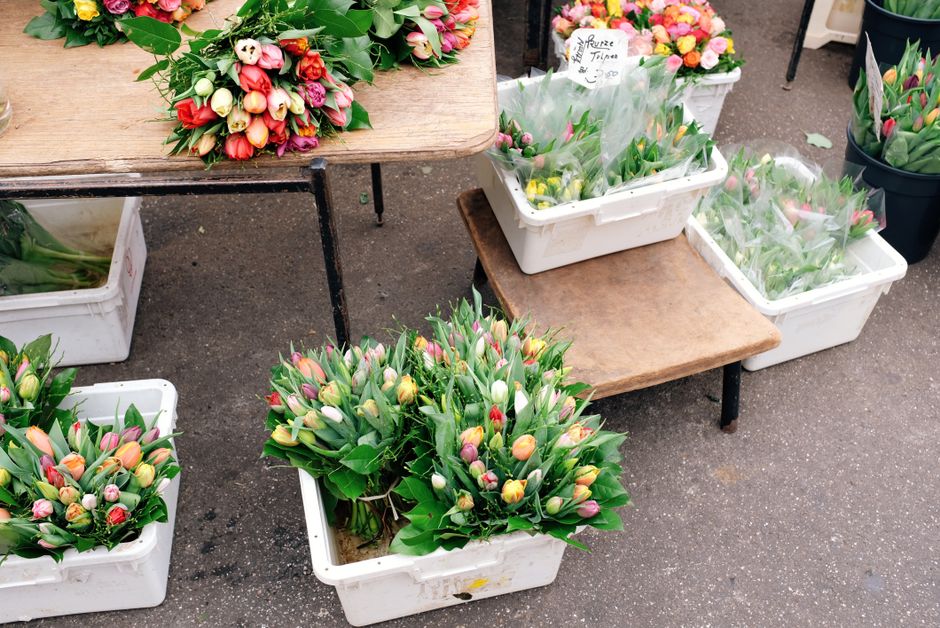
A good flower stall also benefits from thoughtful colour grouping. For example, a soft mix of whites and pinks feels calm and premium, while brighter yellows and mixed seasonal tones can be more impulse-friendly. If you already sell specific style-led ranges online, you can align your stall with that identity using products like mixed-colour flowers or pink arrangements to keep your brand consistent.
One more practical tip: bring more cleaning cloths than you think you need. Flowers are lovely; wet crates and sticky hands are not. A tiny thing, but it makes a difference when customers are standing right there.
Common Mistakes to Avoid
Most permit problems come from ordinary oversights rather than dramatic failures. That's actually good news, because ordinary oversights are fixable.
- Assuming the pitch is automatic: a market stall is usually not reserved just because you're interested.
- Leaving compliance checks too late: insurance, business details, and approvals can take time.
- Turning up with poor weather protection: flowers hate unnecessary heat, wind, and rain.
- Ignoring market-specific rules: what works in one London market may not be accepted in another.
- Overstocking for a slow day: pretty stock is lovely, but waste is expensive.
- Forgetting display hygiene: clean buckets and fresh water are basic, but they're often neglected when things get busy.
A common trap is trying to force a retail-style offer into a fast-turnaround market pitch. Putney customers may want convenience, a good price, or a nice bunch on the way home. They are not always there for a long conversation. So yes, tell your story, but keep it crisp.
Another mistake is not planning for delivery of unsold stock. Some flower sellers pair a stall with same-day delivery options, which helps reduce waste and serves customers who need flowers later in the day. That can be especially useful around birthdays or surprises. If that fits your model, same-day flower delivery in Putney can complement your market trade well.
Tools, Resources and Recommendations
You do not need an elaborate setup to trade flowers well, but you do need the right basics.
| Item | Why it helps | Practical note |
|---|---|---|
| Sturdy buckets and containers | Keep stems upright and hydrated | Choose sizes that fit your range and van space |
| Weather cover | Protects flowers from sun, drizzle, and gusts | Especially useful for outdoor markets |
| Price signage | Makes buying easier and quicker | Simple, bold, and readable from a few steps away |
| Water supply and spare water | Extends freshness through the day | Bring more than you expect to use |
| Cleaning cloths and waste bags | Helps keep the pitch tidy | Small thing, big impression |
| Card payment device | Supports faster sales | Many customers don't carry much cash now |
It also helps to keep a small reference file with permit documents, emergency contact details, and supplier notes. If you sell seasonal ranges, a basic stock list is worth its weight in gold when you're tired and it's nearly closing time.
For businesses that want to build beyond the stall, supporting pages on the same site can be useful too. For example, local visitors may move from market browsing to regular ordering through flower shops in Putney or explore special ranges such as luxury flowers and best sellers. That kind of continuity builds trust.
Law, Compliance, Standards, or Best Practice
Because flower stalls are a trading activity in a public setting, it is wise to think in terms of compliance and best practice rather than assuming one generic rule covers everything. The exact requirements may depend on the market operator, the site, the council framework, and the nature of your trading setup.
Generally speaking, you should expect to deal with the following:
- Permission to trade: formal approval or a permit from the market operator or managing body.
- Insurance: many trading environments expect public liability cover, though the exact level may be set by the operator.
- Trading conditions: arrival times, stall boundaries, waste removal, and conduct standards.
- Food and non-food separation: if you are also selling snacks, gifts, or beverages, separate rules may apply.
- Health and safety: stable equipment, safe walkways, and sensible manual handling are all part of good practice.
There may also be expectations around environmental care, especially when it comes to packaging, water use, and waste. In a local market, this is not just a box-ticking exercise. Customers notice. A stall that looks tidy and thoughtful feels more premium, even before they look at the flowers themselves.
If you are ever unsure, ask the market operator to clarify in writing. That is not over-cautious; it is smart. Markets can run on habit as much as paperwork, and written clarity beats memory every single time.
Options, Methods, or Comparison Table
If you are deciding how to trade flowers in Putney, it helps to compare the main approaches. A permit-based stall is only one route. For some businesses, it is the best one. For others, it works better as part of a wider mix.
| Option | Strengths | Limitations | Best for |
|---|---|---|---|
| Market flower stall | Local visibility, direct sales, face-to-face trust | Weather exposure, setup time, trading restrictions | Traders who want high street-level interaction |
| Retail florist shop | Stable space, broader display, year-round presence | Higher overheads and longer commitment | Established businesses and full-service florists |
| Online order fulfilment | Convenient, scalable, good for planned gifting | Less immediate customer contact | Businesses focused on delivery and pre-orders |
| Hybrid model | Spreads risk and opens multiple sales channels | More moving parts to manage | Businesses that want flexibility and growth |
In practical terms, many flower businesses do best with a hybrid model. A market stall builds local recognition, while delivery and online ordering capture people who want convenience. That is usually where the steady money lives, if we're being honest.
Case Study or Real-World Example
Imagine a small florist preparing to trade at a Putney market on Saturdays. They already do weddings and occasional delivery orders, but they want a way to meet local customers directly. Instead of arriving with a full shop's worth of stock, they start with a tight range: seasonal bunches, a few hand-tied bouquets, simple premium arrangements, and a small selection of gift-friendly add-ons.
Before trading, they check the permit requirements, confirm their pitch slot, and ask what time they can set up. They also make sure their display is neat, weather-ready, and easy to shop from. The first week is quiet at first-then a rush around mid-morning when people start thinking about visiting friends, birthdays, and weekend dinners.
What helped them most? Preparation. They had enough water, a clear pricing board, and a simple story about the flowers' freshness and seasonal sourcing. They also had a fallback: anything left at the end of the day could be used in pre-orders or next-day customer bundles rather than wasted.
By the third market visit, regulars began to recognise them. One customer came back asking for a birthday bunch after buying roses the previous week. Another wanted advice on flowers that would last well indoors. That is how a stall starts to work-not with one dramatic day, but with repeated small good impressions.
Practical Checklist
Use this before your first trading day. It keeps the setup calm, especially when your head is full of a hundred little jobs.
- Confirm the market operator's permit or approval process.
- Check whether your flower products are permitted at the pitch.
- Ask about fees, timings, cancellation rules, and renewal dates.
- Prepare business details and any requested documents.
- Arrange insurance if the market expects it.
- Plan stall equipment: buckets, tables, water, signage, and coverings.
- Set a fresh stock and transport routine.
- Decide your core product range and price points.
- Make sure payment options are ready, including card payments if possible.
- Plan for waste, leftover stock, and end-of-day pack-down.
- Review local trading expectations and site rules before arrival.
If you can tick off those points, you are in a good place. Not perfect, maybe. But ready. And ready is what matters.
Get a free quote today and see how much you can save.
Conclusion
Flower stall permits in Putney markets are really about more than access. They are about trading with confidence, staying on the right side of market rules, and creating a stall that feels trustworthy from the first glance. Once the permission side is in order, you can focus on the good part: choosing beautiful stock, speaking to customers, and building a local following one bunch at a time.
If you are considering this route, take it step by step. Ask questions early. Keep the paperwork tidy. Don't overcomplicate the stall. And remember that a thoughtful, well-run flower pitch can do more than sell flowers-it can become part of the local rhythm of Putney, week after week.
That's the real win. A small stall, a steady pitch, and customers who start to know your name.
Frequently Asked Questions
Do I need a permit to sell flowers at a Putney market?
In most cases, yes, you will need some form of permission from the market operator or managing body. The exact arrangement depends on the market, the pitch, and the type of trading you plan to do.
What documents are usually required for a flower stall permit?
Common requests include trader details, contact information, business identification, and sometimes proof of insurance. Some markets may also ask for a brief description of your products and setup.
How far in advance should I apply?
It's best to apply as early as you can, especially if you want a recurring pitch or a busy trading day. Availability can change quickly, and approvals may take time if documents need reviewing.
Can I sell potted plants as well as cut flowers?
Often yes, but it depends on the market rules and your permitted product category. Always check whether plants, gifts, or additional items are included in your approval.
Do flower stalls need insurance?
Many markets expect traders to hold public liability insurance, though the exact requirement varies. It's sensible to confirm this before you commit to a pitch.
What should I bring on the first trading day?
Bring your stock, buckets, water, cleaning materials, signage, payment tools, weather protection, and any permit paperwork. A spare cloth or two is never a bad idea, either.
Are weekend stalls better than weekday stalls for flowers?
Not always, but weekends often suit impulse buying and gift purchases. Weekday trading can still work well if your market has strong local footfall or nearby office traffic.
How do I keep flowers fresh at an outdoor stall?
Use clean water, shade or cover where possible, and a stock range that suits the day's temperature and footfall. Rotate stock carefully and avoid overloading the display.
Can I combine a market stall with delivery orders?
Yes, and many traders do. A market stall can generate walk-up sales while delivery services handle birthdays, same-day needs, and larger orders.
What if the market has different rules from the council?
Follow the market operator's rules first for the stall itself, while still making sure you meet any wider legal or business obligations. If anything seems unclear, ask for written confirmation.
Is a flower stall a good way to test a new business?
It can be a very practical way to test local demand without taking on a full shop lease. You get direct customer feedback, and you can adjust your range quickly.
How do I make my stall stand out without overspending?
Keep the display clean, colour-coordinated, and easy to shop. A small, well-chosen range often looks better than too much stock. Clear pricing helps too.
And if you're still weighing it up, that's normal. Good trading decisions usually start with a few careful questions, not a leap. Take your time, get the permit side straight, and the rest tends to follow much more smoothly.