Putney Bridge floral displays: permissions from Wandsworth
Posted on 23/09/2026
If you are planning Putney Bridge floral displays: permissions from Wandsworth can feel like the part that slows everything down. One minute you are thinking about colour, season, and how the flowers will look against the river. The next, you are wondering who actually needs to say yes, what counts as acceptable, and whether your display might end up being removed before it has even settled in. It happens more often than people think.
This guide breaks the topic down in plain English. You will learn why the permissions matter, how the process usually works, what to prepare before you start, and where the common headaches appear. We will also cover practical examples, sensible best practice, and a few things that local organisers often overlook until the last minute. Truth be told, the difference between a smooth installation and a frustrating one is usually good planning, not a bigger bouquet.
Whether you are representing a business, a community group, an event organiser, or simply helping with a special floral project near Putney Bridge, the goal is the same: create something beautiful without falling foul of local requirements.
- Why permissions matter
- How the permissions process works
- Practical benefits of getting it right
- Who needs to think about this
- Step-by-step guidance
- Expert tips for better results
- Common mistakes to avoid
- Tools, resources and recommendations
- Law, compliance and best practice
- Options and comparison
- Real-world example
- Practical checklist
- Conclusion
- Frequently asked questions
Why Putney Bridge floral displays: permissions from Wandsworth Matters
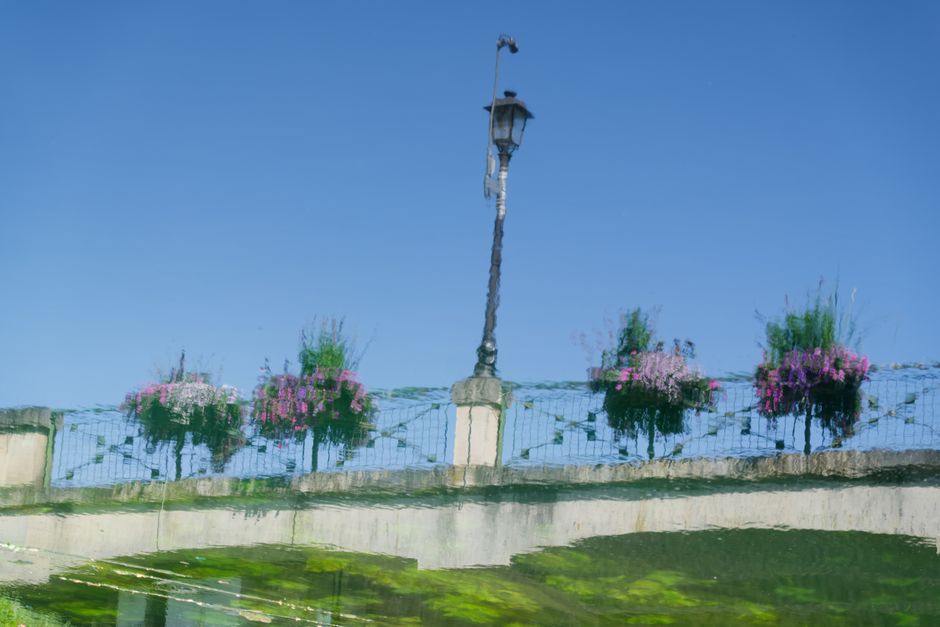
Putney Bridge is a highly visible spot. That is the simple truth. Anything floral placed near the bridge, on adjoining pavements, at approach points, or in spaces used by pedestrians and traffic will usually have an impact far beyond the display itself. It can help the area feel warm and welcoming, but it can also create issues if it blocks movement, distracts road users, or uses land without the right approval.
Permissions matter because floral displays in public or semi-public spaces are not just decorative. They can touch on access, safety, maintenance, and responsibility. If a display is installed without the right consent, it may be removed, the organiser may have to pay for reinstatement, and the relationship with local stakeholders can become awkward very quickly. Nobody wants that, especially not over something that could have been sorted in advance with a bit of paperwork and a phone call.
In Wandsworth, the local authority perspective is usually practical: can the display be placed safely, does it interfere with the highway or public realm, and is there a clear person or organisation taking responsibility? Those questions sound unglamorous, but they are what keep a floral idea from turning into a dispute.
There is also a reputation angle. A well-run floral installation can be a lovely piece of place-making. A poorly managed one can look amateurish, even if the flowers themselves are beautiful. And let's face it, people notice the bits that are tied down badly more than the petals.
How Putney Bridge floral displays: permissions from Wandsworth Works
There is no single universal process that fits every display, because the exact permission needed depends on where the flowers are going, how large the display is, and whether it affects public land, the highway, or privately managed space. Still, the working pattern is usually similar.
First, identify the exact location. This sounds obvious, but it is often where confusion starts. "Near Putney Bridge" is not enough. You need to know whether the display is on a pavement, a verge, a boundary line, a frontage, a bridge approach, or a site managed by another party. That one detail can change who has authority to approve it.
Next, describe the display clearly. Wandsworth or any relevant local decision-maker will usually want to know the purpose, dimensions, mounting method, materials used, duration, installation date, and who will maintain or remove it. If the display includes stands, planters, hanging elements, or anything that could be moved by wind or touched by the public, say so early. Surprises help nobody.
Then comes the practical check. The main questions are usually about safety, visibility, access, and maintenance. A floral display should not obstruct walking routes, push people into traffic, hide signs, create trip hazards, or become a litter problem after a windy day or an unexpected downpour. London weather has a habit of testing people at the worst moment.
In many cases, you may also need to think about neighbouring interests. For example, if the flowers are being used for an event, nearby businesses, residents, building managers, or other local stakeholders may need to be consulted. This is especially true if the display is temporary but attention-grabbing, or if installation work could involve early-morning access, vehicles, or footpath congestion.
A sensible way to approach it is to treat permission as a planning step, not as a hurdle. If the display is modest, temporary, and clearly low risk, approval may be straightforward. If it is large or structurally complex, expect more questions. That is normal, and frankly a good sign. A proper check now is cheaper than a problem later.
Key Benefits and Practical Advantages
Getting permissions in order does more than keep you compliant. It makes the whole project work better.
| Benefit | What it means in practice | Why it matters at Putney Bridge |
|---|---|---|
| Lower risk of removal | Your display is less likely to be challenged or taken down | Busy, visible locations attract attention quickly |
| Better public safety | Routing, fixing, and access can be checked before installation | Bridge approaches can be busy and narrow |
| Smoother planning | Everyone knows what is happening and when | Reduces last-minute chaos on install day |
| More professional presentation | The display feels intentional rather than improvised | Important in a prominent London setting |
| Better long-term relationships | Local stakeholders are more likely to support future ideas | Goodwill matters for repeat projects |
There is also a creative upside. When the permissions are sorted, you can focus on the actual floral design. You are free to choose colour palettes, flowers that hold up well outdoors, and arrangements that look good from a distance. That is the fun bit, after all.
Another practical advantage is budgeting. A properly approved display is easier to cost, because you can factor in installation, materials, maintenance visits, and removal from the start. No awkward "we didn't plan for that" moment halfway through.
Who This Is For and When It Makes Sense
This topic is relevant to quite a few people. If you are assuming it only applies to councils or event companies, that is a bit too narrow.
- Local businesses wanting a seasonal frontage or promotional floral feature
- Event organisers planning a wedding, launch, community celebration, or ceremony near the bridge
- Property managers responsible for entrances, boundary lines, or shared access points
- Community groups creating a beautification or remembrance display
- Florists and designers who are asked to deliver and install in a public-facing area
- Families or individuals arranging a tribute, memorial-style floral piece, or special occasion display
It makes sense to think about permissions whenever the flowers are outside a private internal space. If the display is entirely indoors, in a private venue with clear control, permission issues are much simpler. The moment you move outdoors, especially near a bridge, pavement edge, road frontage, or visitor route, the risk picture changes.
A common example: a cafe wants to place floral planters near the entrance for summer. Fine in principle. But if those planters narrow the walking route or drift into the public highway area, permissions and layout need attention. Same idea, bigger scale, different consequences.
Step-by-Step Guidance
If you want a clean, low-stress route through Putney Bridge floral displays: permissions from Wandsworth, follow a simple sequence. It is not flashy, but it works.
- Define the exact display area. Mark the location on a map or photo and note what part is public, private, or shared.
- Decide the purpose. Is the display decorative, commemorative, promotional, or event-based? The purpose affects how it is assessed.
- Measure the footprint. Length, width, height, and any overhang matter. A small arrangement can become a big issue if it protrudes where people walk.
- List the materials and fixing method. Use stable bases, suitable containers, and weather-resistant fixings where appropriate.
- Plan installation and removal dates. Temporary displays should have a clear end date. Leaving things vague is asking for trouble.
- Check access and maintenance. Someone must water, tidy, and inspect the display if it stays up for more than a short time.
- Assess safety and visibility. Make sure pedestrians, cyclists, drivers, and emergency access are not affected.
- Gather supporting details. Photos, sketches, dimensions, and a brief explanation often make approvals easier.
- Submit the request to the right party. If you are not sure who owns or controls the space, confirm that before sending anything.
- Keep written confirmation. Verbal approval is nice, but paperwork is what saves headaches later.
In our experience, the neatest projects are the ones where someone thinks through removal as carefully as installation. A floral display can look superb on day one and still be a nuisance on day four if nobody has assigned responsibility. Small point. Big impact.
One more thing: if the project involves traders, residents, or a venue, agree who is accountable for what. Who waters it? Who replaces damaged stems? Who calls if the weather turns ugly? It sounds a bit dull. It is not. It is the difference between a display that feels polished and one that starts to sag by lunchtime.
Expert Tips for Better Results
Once the permission side is under control, the next step is making the display resilient enough to survive real life. Not just the idea of real life. The actual windy, busy, slightly chaotic version.
- Design for the viewing distance. Putney Bridge is a location where many people will see the display in passing, not at close inspection. Bold shapes often read better than tiny detail.
- Choose durable flowers and mechanics. Some blooms handle outdoor conditions better than others. A florist with local experience can steer you toward sensible choices.
- Keep the palette intentional. Too many colours can look messy in strong daylight. A restrained scheme usually feels more elegant.
- Allow for weather. Summer sun, sudden showers, and breezy corners all matter. If the display must last, it needs a plan for all three.
- Use clean edging and tidy presentation. Even a small display looks better when the bases, containers, and visible structure are neat.
- Take a "from every angle" check. Walk past it from the road side, the pavement side, and a few metres away. The weak point often shows up at the edge.
If the display is linked to an occasion, align the flowers with the tone of the event. A wedding display near the bridge will call for different choices than a sympathy tribute or a corporate launch. That sounds obvious, but the best displays are the ones where the purpose and design actually match. Amazing how often that gets missed.
And yes, sometimes less really is more. A simple, beautifully arranged display can look far more thoughtful than a crowded one that tries too hard.
Common Mistakes to Avoid
Most problems with floral permissions are avoidable. Not always. But most of them, yes.
- Assuming the space is "just there". Public visibility does not mean public permission.
- Being vague about the location. "Near the bridge" is not enough when boundaries matter.
- Forgetting access routes. A display can be visually beautiful and still fail if it narrows movement.
- Ignoring removal plans. Temporary work should always have a clear end point.
- Using materials that are too light. Even a modest breeze can shift unsecured items.
- Not assigning responsibility. If no one owns upkeep, the display can deteriorate quickly.
- Leaving approvals too late. Last-minute requests limit your options and increase stress. You do not want that on a Friday afternoon, trust me.
A quieter mistake is under-communicating with the people around the site. If neighbours, venue staff, or business owners are surprised, they may feel bypassed even if the display itself is lovely. A short early conversation can prevent that feeling.
Another one: forgetting that flowers age. A display that looks fresh at installation can change in 24 hours, especially outdoors. Build in a maintenance or refresh plan if the display matters beyond a single day.
Tools, Resources and Recommendations
You do not need fancy equipment to handle permissions well, but you do need a few simple things in place.
- A site photo set showing the location from different angles
- A basic sketch or layout with dimensions and placement
- A contact sheet listing the organiser, installer, and maintenance lead
- A materials list covering containers, fixings, and any structural elements
- A schedule for delivery, installation, maintenance, and removal
- A contingency note for bad weather, damage, or access issues
For flower selection and aftercare, a specialist product page can be useful if you are planning the display around a specific occasion. For example, if you are choosing arrangements for a wedding-related display, wedding floral collections and local wedding flowers can help you think through style, scale, and colour direction. If the display is more general, browsing all flowers or the broader Putney florist service can be a practical starting point.
For delivery planning, especially if timing is tight, useful references include delivery information, same-day flower delivery in Putney, and next-day flower delivery. If your display needs a backup option after a weather change or schedule shift, that sort of flexibility matters more than people expect.
And if you are simply trying to keep the project within budget, you may want to compare budget-friendly flowers with the best flower delivery options. Cheap does not have to mean flimsy, but it should still be fit for purpose. That balance matters.
Law, Compliance, Standards, or Best Practice
Because this topic touches public space and local permissions, it is worth being careful. The exact legal position can depend on location, land ownership, highway rules, and the type of display. There is no shortcut here: if a floral display affects a public route, road edge, or council-controlled area, you should assume permission or approval may be needed before installation.
Best practice is straightforward even when the legal detail gets messy:
- Confirm who controls the space. Public, private, and shared areas are not the same thing.
- Keep access clear. Do not create pinch points or hidden hazards.
- Use stable, weather-appropriate materials. A display should not become unsafe if conditions change.
- Document consent. Written approval protects everyone involved.
- Have a removal plan. Temporary should mean temporary.
- Respect neighbouring users. Residents, traders, and pedestrians should be able to move and use the area normally.
Where a display is part of an event, venue rules and any insurance requirements may also matter. For some organisers, especially businesses and professional event teams, it is wise to make sure the contractor or florist understands responsibility for setup, secure fixing, and removal. It sounds formal because it is formal. But that is exactly what keeps everything tidy.
If you are unsure whether a floral installation needs a formal approval, ask early and ask specifically. A vague "is this okay?" often gets a vague answer back. A clearer question gets a clearer outcome.
Options, Methods, or Comparison Table
Different display types suit different situations. Here is a simple comparison that can help when you are deciding what to propose.
| Display type | Best for | Pros | Watch-outs |
|---|---|---|---|
| Planters | Entrances, edges, and small frontage features | Stable, neat, easy to refresh | Can obstruct paths if oversized |
| Wrapped arrangements | Short-term events and ceremonial moments | Elegant, flexible, quick to install | Need secure placement and maintenance |
| Hanging or elevated features | High-visibility branding or decorative impact | Strong visual effect, especially from a distance | More likely to need formal checking and secure fixing |
| Ground displays | Temporary public-facing displays or tributes | Flexible and expressive | Can be vulnerable to weather and foot traffic |
| Event floral installations | Weddings, launches, and community events | Highly tailored to the occasion | Usually require the most coordination |
For most readers, the safest route is usually the simplest arrangement that still makes visual sense. If you are unsure, choose a display method that is easier to maintain and easier to remove. Fancy is lovely, but practical tends to age better.
Case Study or Real-World Example
Here is a realistic scenario, based on the sort of project people often bring up. A small business near Putney Bridge wanted a floral feature for a seasonal promotion. The idea was good: soft colours, a tidy arrangement, and a display that would lift the frontage without blocking the pavement. On paper it sounded straightforward. In reality, a few details needed sorting first.
They measured the available space properly, checked how far the display would project, and clarified who would water it each morning. They also agreed in advance how quickly the flowers would be removed if the weather turned wet and windy. That last point, honestly, saved them trouble. On one damp morning the arrangement looked a bit tired by lunchtime, but because there was a removal plan, it was refreshed quickly instead of becoming a sad, droopy thing by the end of the day.
The main lesson was not about flowers at all. It was about clarity. Once the organiser had the location, responsibility, and timing sorted, the display was much easier to approve and much easier to enjoy. People stopped worrying about the mechanics and started noticing the display itself, which is exactly what you want.
If you are planning something similar, think less about perfection and more about control. A well-controlled modest display often outperforms a grand idea that nobody can manage properly. Bit of a boring lesson, maybe. But true.
Practical Checklist
Use this checklist before you move forward with Putney Bridge floral displays: permissions from Wandsworth.
- Have you identified the exact location and who controls it?
- Have you measured the display footprint and height?
- Do you know whether the flowers sit on public, private, or shared land?
- Have you described the purpose of the display clearly?
- Have you prepared photos, sketches, or a layout?
- Have you considered pedestrian access and safety?
- Have you planned installation, maintenance, and removal?
- Have you chosen flowers and materials suitable for the weather?
- Have you nominated one person to own the project?
- Have you kept written confirmation of permission or approval?
Expert summary: If you want the display to look good and stay trouble-free, keep it simple, secure, and clearly approved. That combination does more for your project than any amount of last-minute decoration ever could.
One small but useful habit: take a photo of the display once it is installed. If anything changes later, you will have a clean record of what was agreed and what was actually placed on site. Very handy, and surprisingly often forgotten.
Conclusion
Putney Bridge floral displays: permissions from Wandsworth are really about balancing creativity with responsibility. The flowers are the visible part, but the success of the project usually depends on the hidden bits: permission, placement, maintenance, and removal. Get those right and the display can feel effortless, even though a lot of thought went into it.
That is the sweet spot. A display that looks calm, safe, and intentional from the outside, while underneath it has solid planning and clear accountability. Not glamorous, perhaps, but it works.
If you are preparing a floral display near Putney Bridge, take a little extra time to define the site, confirm the approval route, and keep the design practical. The result will be better for everyone who passes by.
Get a free quote today and see how much you can save.
And if you do it well, the bridge-side moment can become the kind of small local detail people remember with a smile on a grey London day.
Frequently Asked Questions
Do I always need permission for floral displays near Putney Bridge?
Not always, but if the display is in or near a public area, affects access, or uses land that is not clearly private, you should assume some form of permission or approval may be needed. It is better to check first than to have to move the display later.
Who usually gives approval in Wandsworth?
That depends on where the display is placed. The relevant landowner, manager, or local authority team may be involved. The key is to identify the exact site first, because the approval route follows the location, not the flowers.
What information should I prepare before asking for permission?
Have the location, purpose, dimensions, installation date, removal date, materials, and maintenance plan ready. Photos or a simple sketch make a big difference. A clear request is much easier to deal with.
Can a small display still need approval?
Yes. Small does not automatically mean exempt. If it sits in a public-facing or shared space, even a compact display may need checking. The size helps, but it is not the only factor.
How far in advance should I apply?
As early as possible. A simple request may be turned around quickly, but anything involving a bridge location, public footfall, or event timing is safer with more lead time. Last-minute requests tend to create avoidable stress.
What happens if I install without permission?
The display may be removed, and you could be asked to pay for reinstatement or related costs depending on the circumstances. At the very least, it can create avoidable friction. Not worth it, really.
What type of flowers work best outdoors?
Hardier flowers and sturdy arrangements usually work best outside, especially in changeable weather. The right choice depends on season, sun exposure, wind, and how long the display needs to last. A local florist can help narrow it down.
Should I worry about wind and rain?
Yes, absolutely. Outdoor floral displays need to be planned for the weather, not just the photos. Secure fixings, stable bases, and a maintenance plan are all part of making the display last.
Is there a difference between a decorative display and a tribute?
Yes. Tributes and remembrance-style arrangements often need a different tone, different placement, and in some cases a different approval conversation. The purpose of the flowers changes how they should be handled.
Can a florist handle the permission process for me?
Sometimes they can help with the practical details, and experienced florists often know what information is needed. But the responsibility for getting proper approval may still sit with the organiser or client, so it is worth confirming roles early.
What is the safest option if I am unsure about the rules?
Choose the simplest display, keep it temporary, avoid blocking any route, and ask for written approval before installation. That approach keeps risk low and makes the project much easier to manage.
Where can I find suitable flower options for a Putney project?
You can browse a local range such as flower delivery in Putney, explore flower shops in Putney, or review occasion-led options like flowers for any occasion. If the display is tied to a celebration, congratulations flowers or luxury flowers may be worth a look too.